Development 1
Capacity Building and Knowledge Transfer
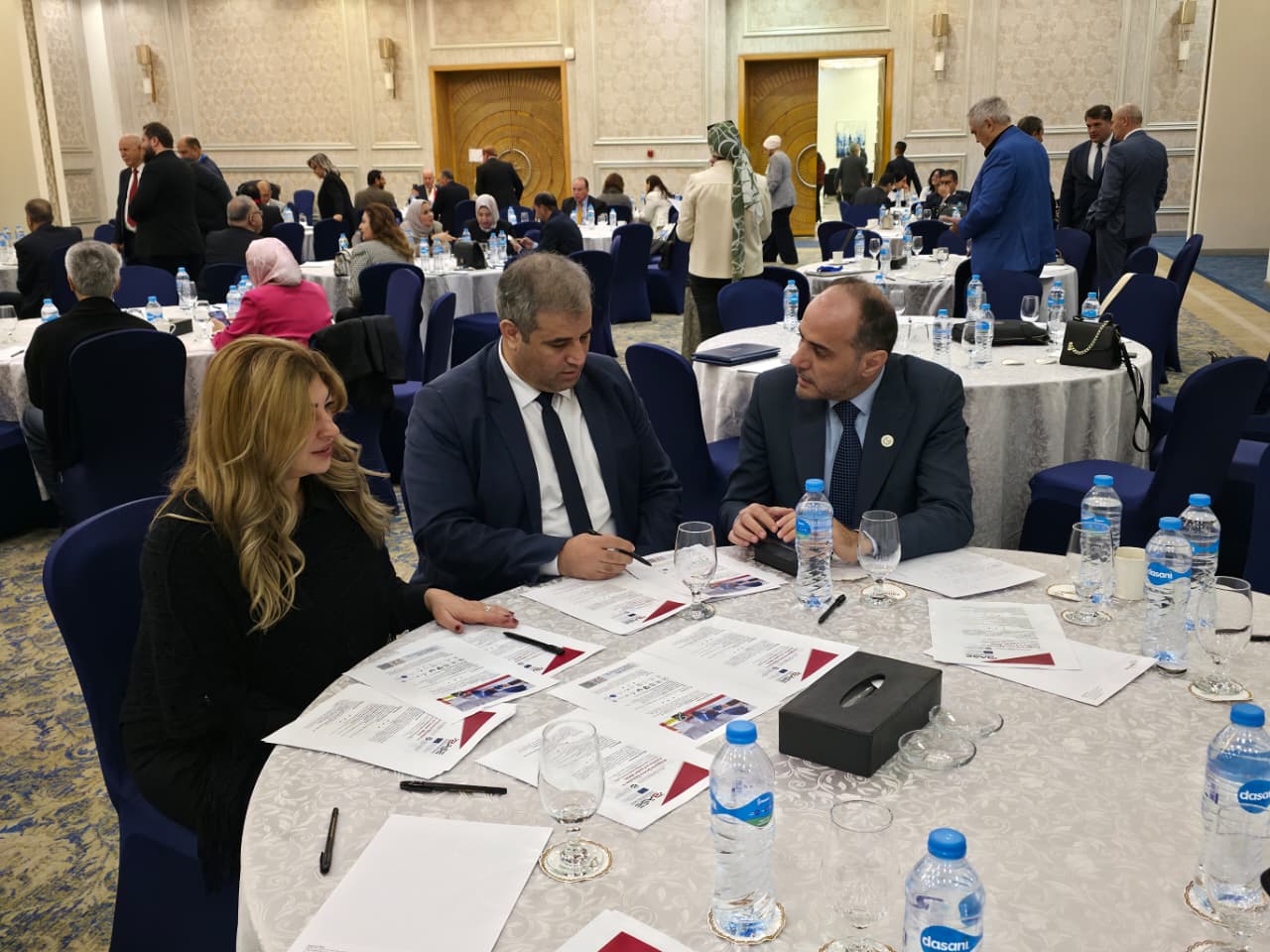
After conducting WP2, capacity-building needs are identified. Accordingly, the capacity-building activities, along with the needed resources, will be prepared and conducted to match the needs at Palestinian and Jordanian universities. The training will start online to prepare the participants for in-person training by providing them with the needed basic understanding of Bologna Process and its related subjects.
Accordingly, the study visits will provide further understanding for the participants on the Bologna process. The training will focus on topics such as Bologna Process-based program development, including curriculum and course syllabus design, teaching and learning methods, assessment of students and learning outcomes, academic staff training, and academic program review and evaluation. Once the training is accomplished, participants will transfer the knowledge they have learned to their colleagues at their universities.
Therefore, local sessions will be organized in each country for other stakeholders. Furthermore, every partner university will develop its own remediation plan to prepare the university for further development steps in this project. The training activities will be carried out by the EU partners in order to provide the needed know-how to the participants. Participants from the ministries of higher education from Palestine and Jordan will participate in the training in order to learn and to enable them to facilitate the change during the accreditation process in WP4
Duration and Lead Beneficiary
Objectives
According to T.2.5, this WP aims at building the capacity of ministries of HE and partner universities to facilitate knowledge transfer, ensuring that participants are well-equipped to implement the Bologna Process in their respective positions.
The combination of online and in-person training, study visits, and local capacity building aims to create a robust and systematic foundation for successful implementation..
Deliverable Name
WP Description
Activities and division of work
This Work Package (WP) outlines the specific activities to be undertaken, the allocation of tasks, and the roles and responsibilities of the team members involved in the project. The objective of the WP is to ensure that all components are efficiently managed and executed in alignment with the overall project goals.
This task involves developing tailored training materials and modules specific to the needs and context in Palestine and Jordan. The content will cover essential aspects of the Bologna Process such as (accreditation requirements, curriculum design, developing course syllabus, teaching and learning methods, and assessment methods).
The training aims at ensuring participants are equipped with the necessary knowledge and skills for successful implementation.
Participants:
1- UB
2-Partners

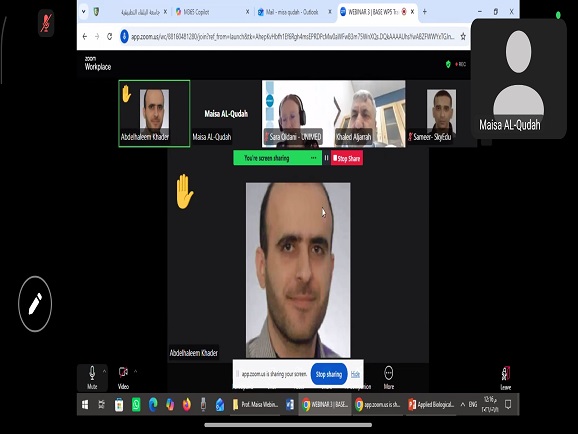
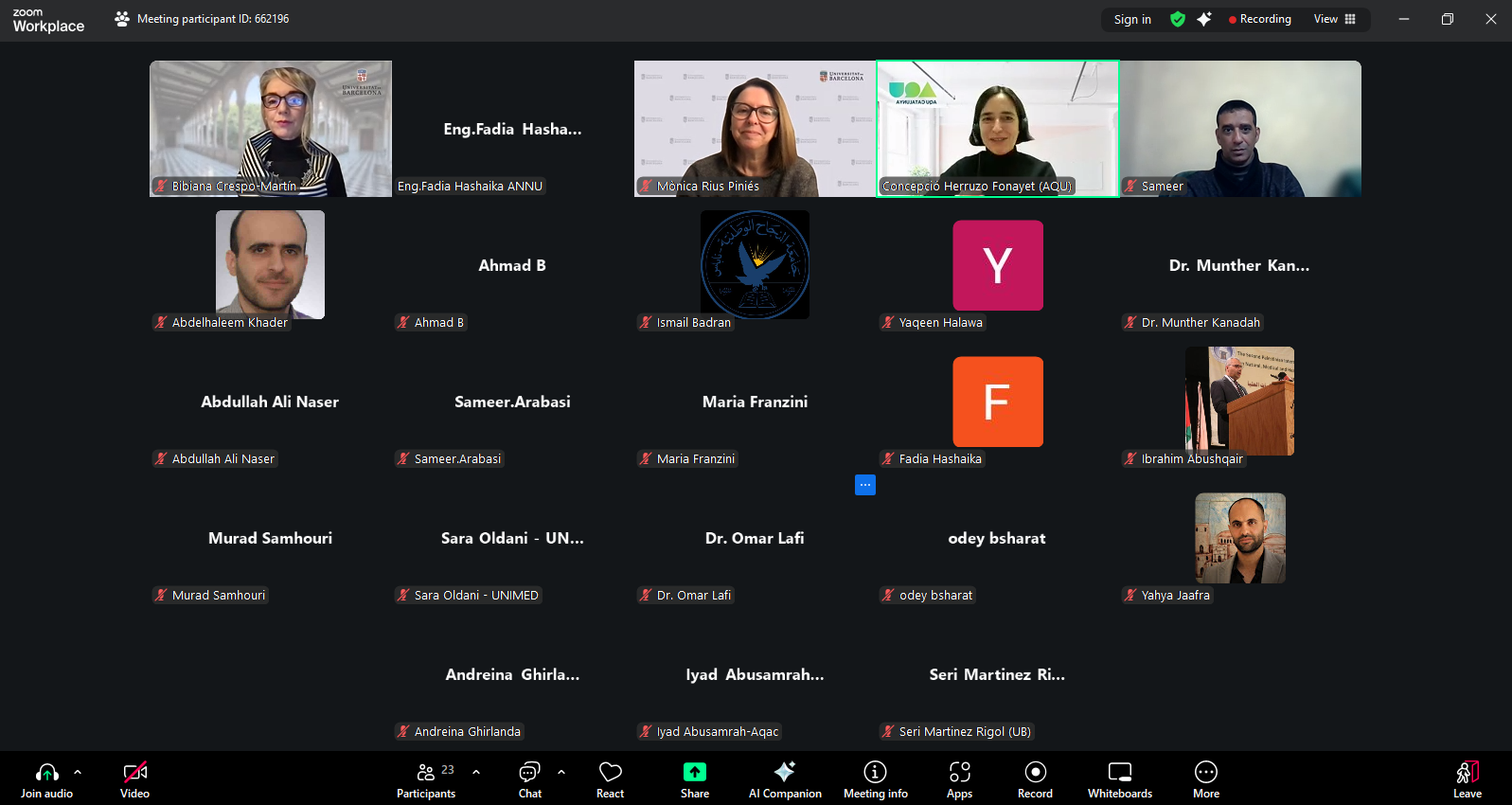
Utilizing digital platforms (i.e. ZOOM), participants will have access to training modules, discussions, and resources. This training will provide the foundation for subsequent training activities and will serve as content for future use in the next phases.
Participants:1- UB
2-Partners
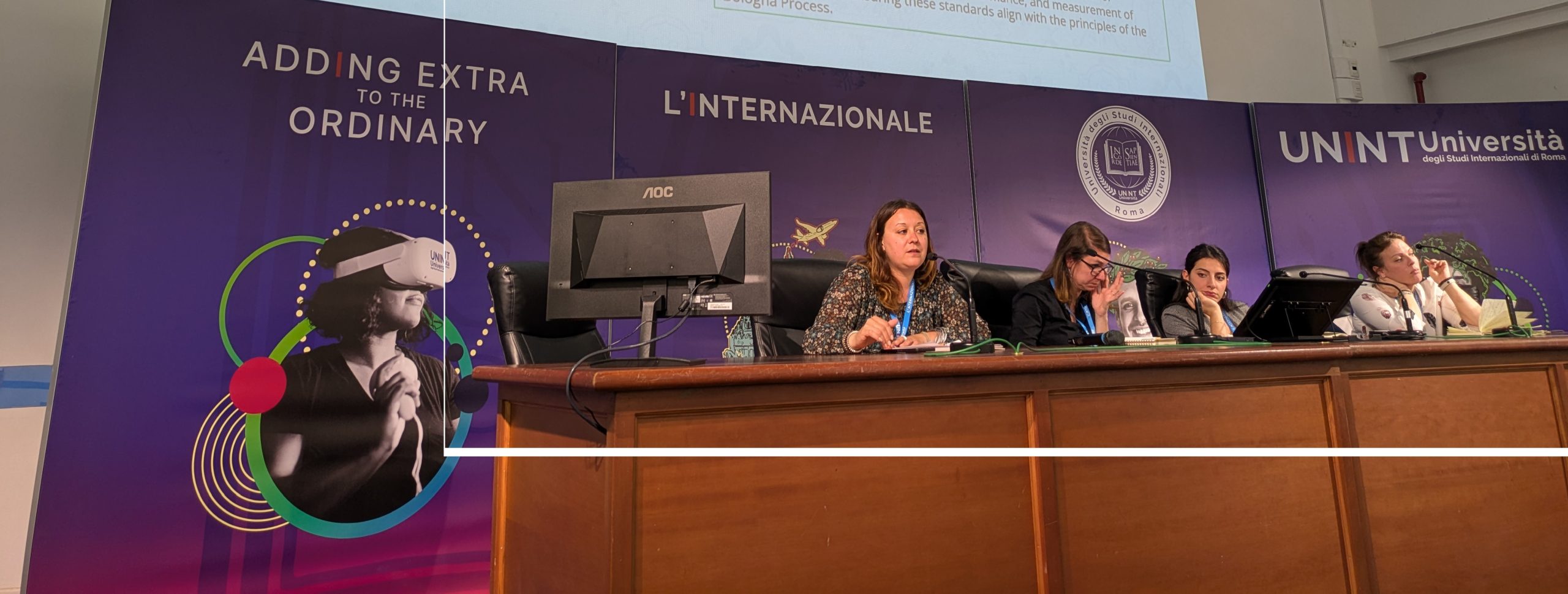
The in-person training sessions will be conducted in Italy, the inspersion training complements online components, providing a comprehensive and engaging learning experience, allowing further discussion and sharing of experience and knowledge.
Participants:1- UB
2-Partners
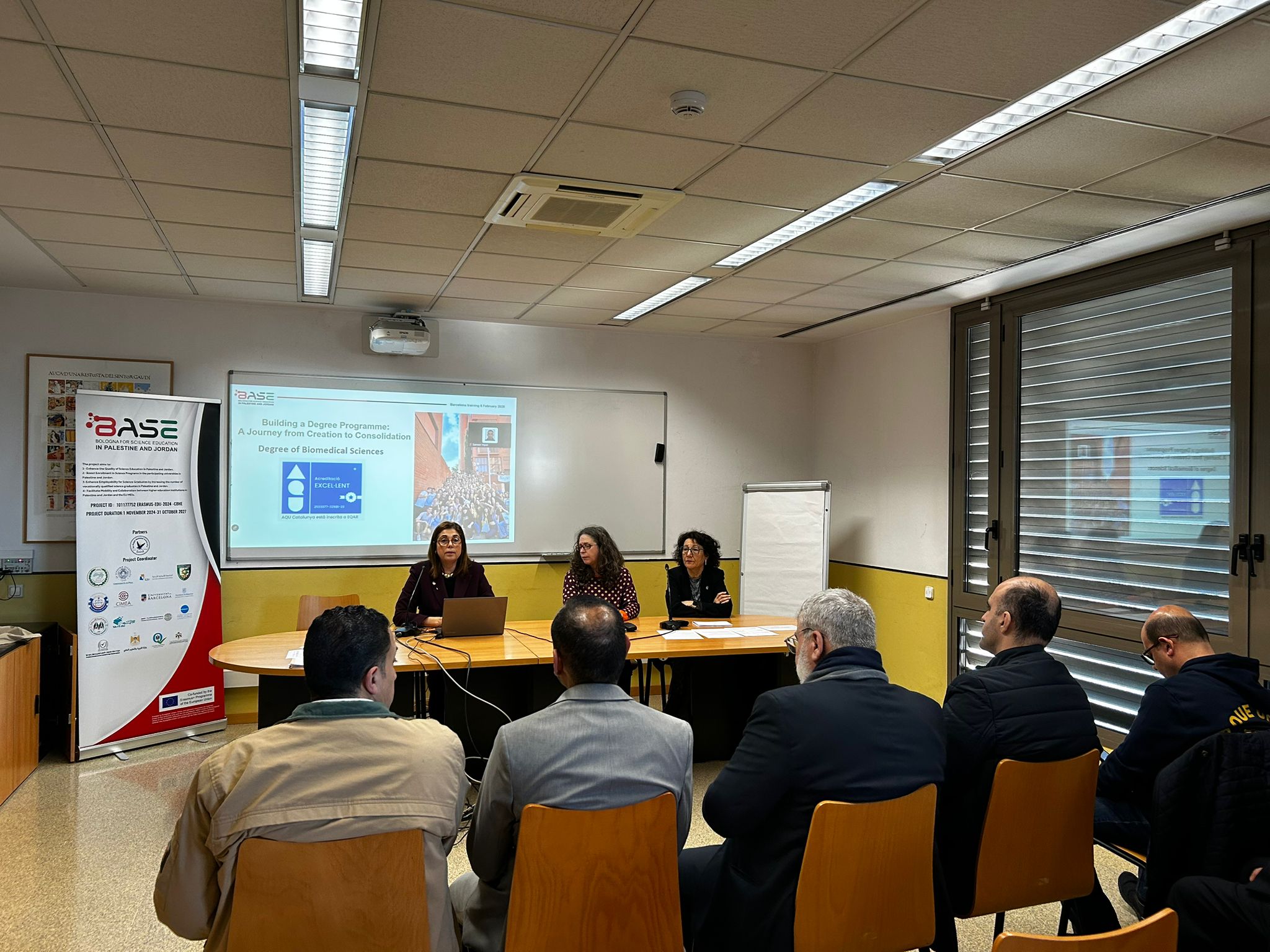
This task involves arranging and conducting study visits to EU partner universities. These visits aim to expose participants to best practices, experiences, and operational aspects at EU partner universities that successfully implement the Bologna Process, fostering cross-cultural knowledge transfer.
Participants:1- UB
2-Partners
Once participants from Palestine and Jordan return from their inspersion training and study visits, they will organize localized capacity-building activities to share what they have learned.
This includes introducing Bologna Process best practices that were observed and addressing challenges in the local universities context and how to deal with these challenges.
Participants:1- UB
2-Partners
Based on the experience gained in the previous tasks, this task involves the execution of a self-evaluation process at the ministries and partner universities in Palestine and Jordan to assess the gap of expertise to implement Bologna Process and will suggest the remediation plans at each level.
Participants:1- UB
2-Partners
This report will conclude the development made in WP3 and will highlight the issues to be followed up in the next WPs.
Participants:1- UB
2-Partners
Outputs/Outcomes
Milestones
This Work Package (WP) outlines the specific activities to be undertaken, the allocation of tasks, and the roles and responsibilities of the team members involved in the project. The objective of the WP is to ensure that all components are efficiently managed and executed in alignment with the overall project goals.
These materials will form the foundation for the entire capacity building program ensuring that participants receive comprehensive and relevant information on Bologna Process-based practices.
Successful implementation of training, study visits and local capacity building workshops will provide participants with practical insights and experiences from EU partner universities.
This will enhance their understanding and prepare them to adapt Bologna Process principles effectively in their home institutions.
remediation plans will address any identified gaps or areas requiring improvement, ensuring continuous enhancement of the implementation process.
Outputs/Outcomes
Deliverables
Deliverables are specific outputs, reports, products, or results that must be completed and handed over during or at the end of certain phases of the project. These can be both tangible and intangible items.
UB
UB