Rome and Pisa, Italy | 14–18 September 2026
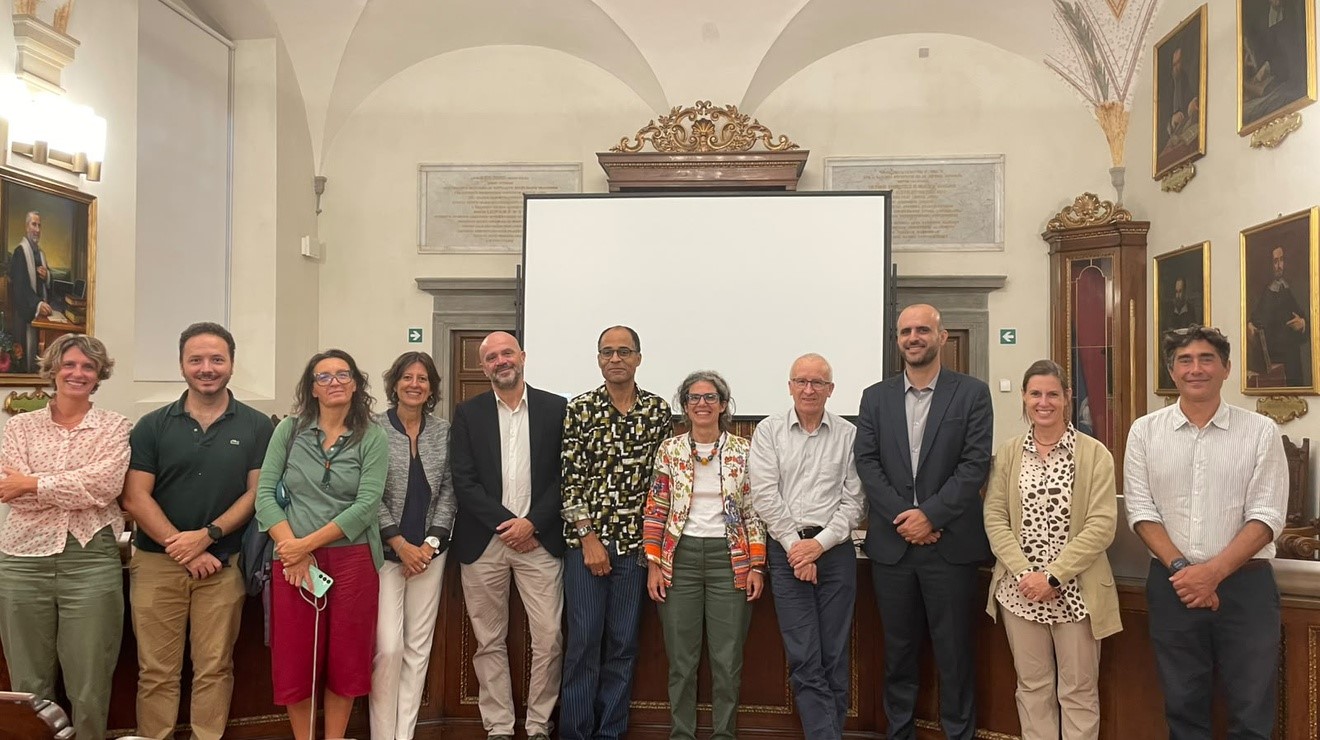
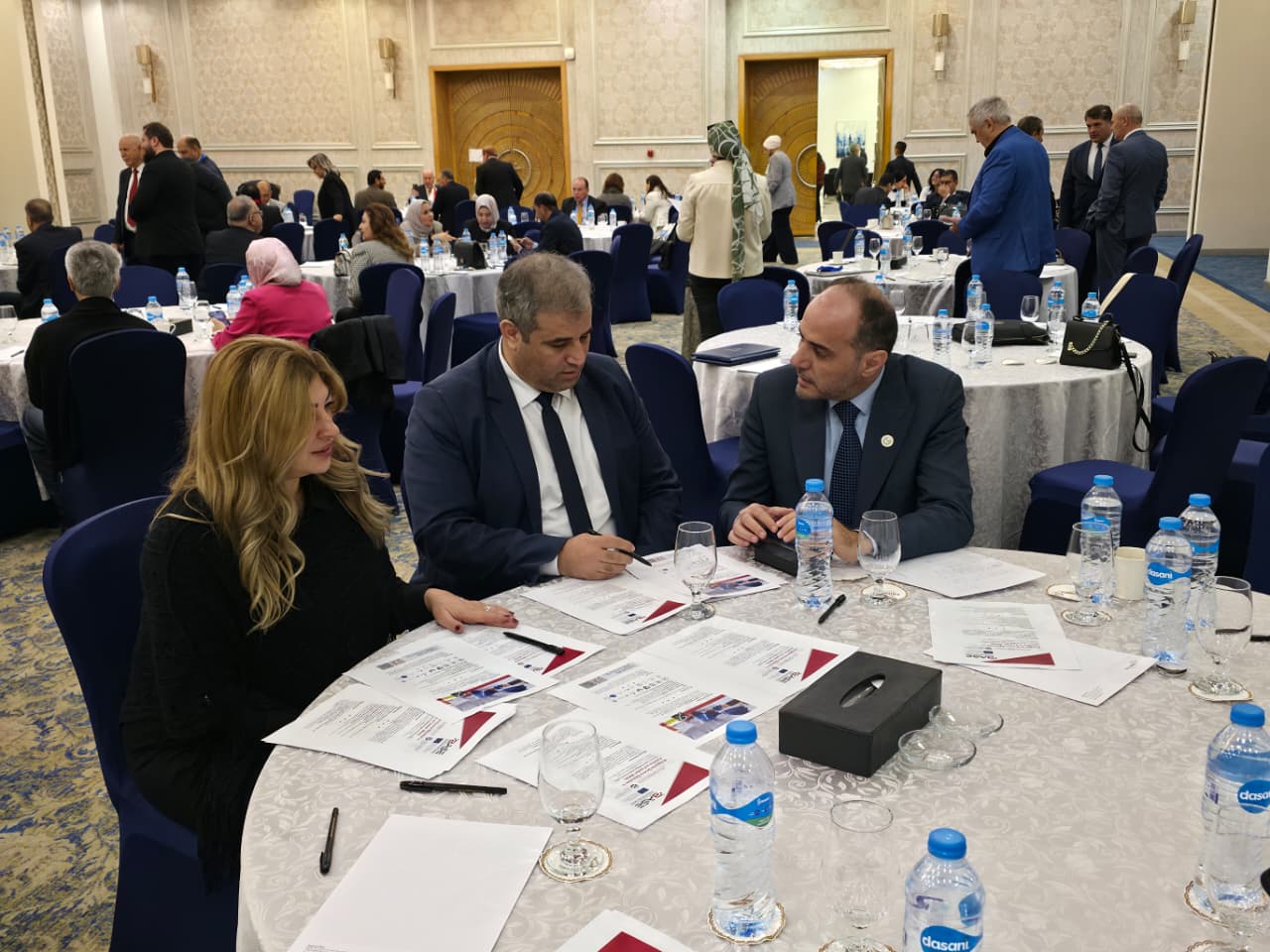
From 14 to 18 September 2026, the BASE consortium gathered in Rome and Pisa, Italy, for the Work Package 5 Staff Training Week and Project Consortium Meeting, bringing together academic and administrative staff from universities in Jordan and Palestine, representatives of accreditation bodies and Ministries of Higher Education, and European partners.
The training week was organised by UNIMED – Mediterranean Universities Union in cooperation with the University of Pisa, with An-Najah National University serving as Project Coordinator. Delegations from An-Najah National University, Arab American University, Palestine Technical University – Kadoorie, Jordan University of Science and Technology, German Jordanian University, and Al-Balqa Applied University participated in the activities.
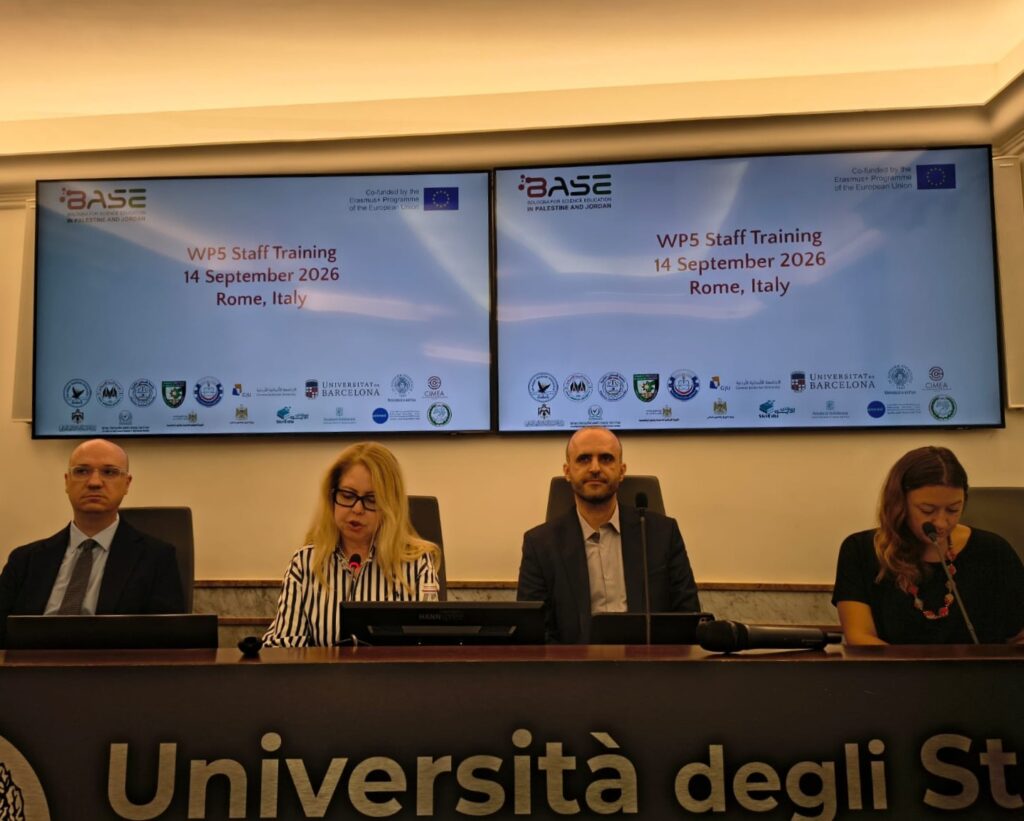
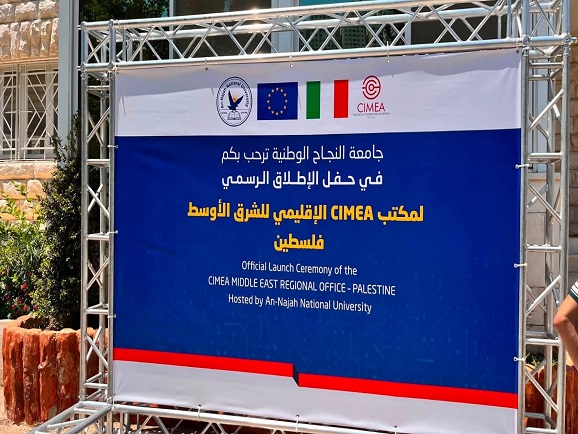
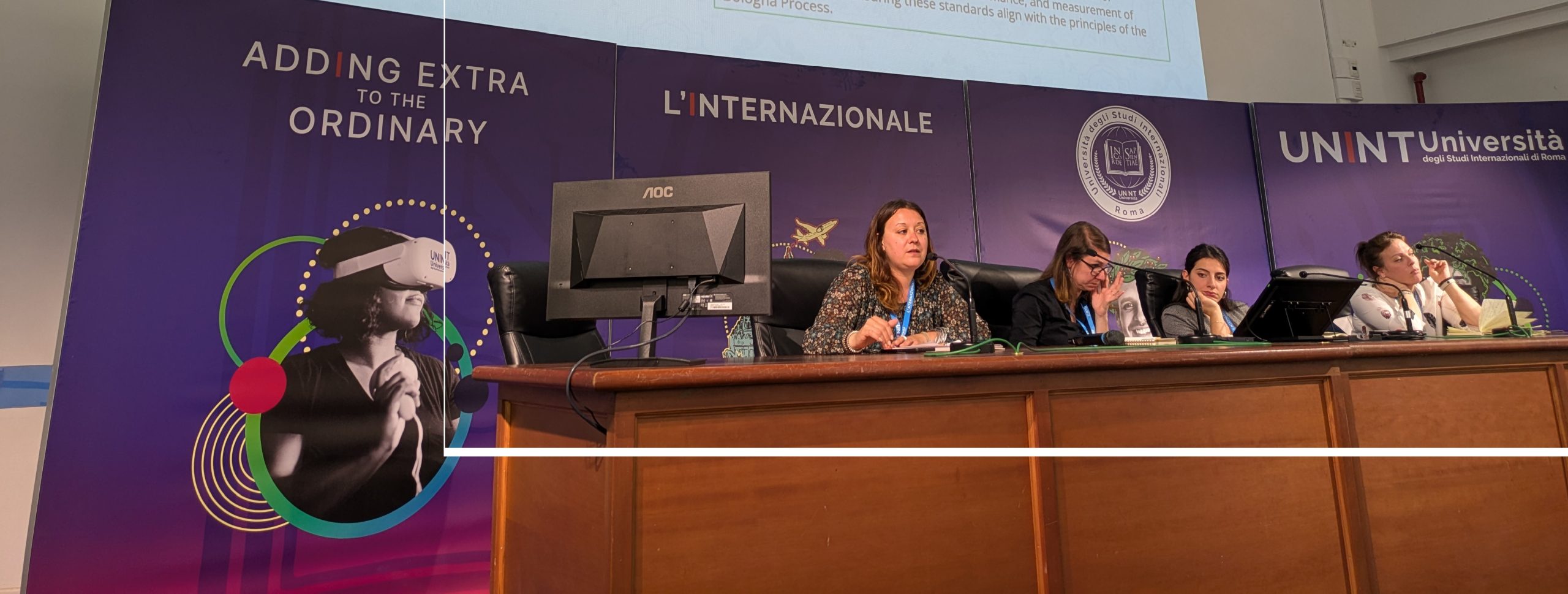
The programme opened on 14 September at Università Guglielmo Marconi in Rome, with contributions from Kherieh Rassas, President of UNIMED; Francesco Gaspari of UniMarconi; and Dr. Abdelhaleem Khader of An-Najah National University and BASE Project Coordinator. UNIMED shared practical lessons from Mediterranean cooperation on implementing the Bologna Process, while CIMEA addressed internationalisation, recognition and academic mobility. The sessions emphasised the importance of moving beyond the formal adoption of Bologna tools towards their effective implementation in teaching and learning.
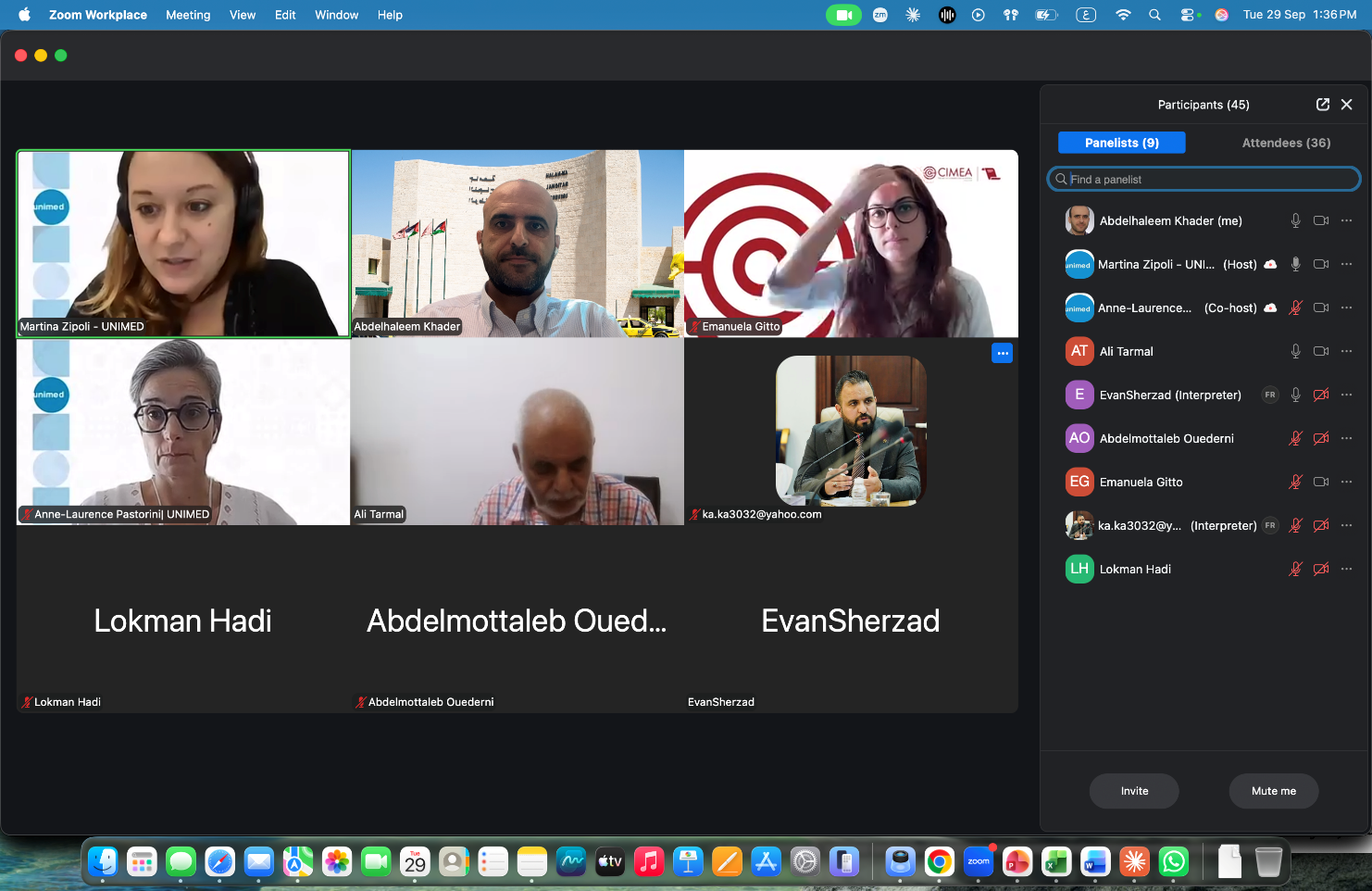
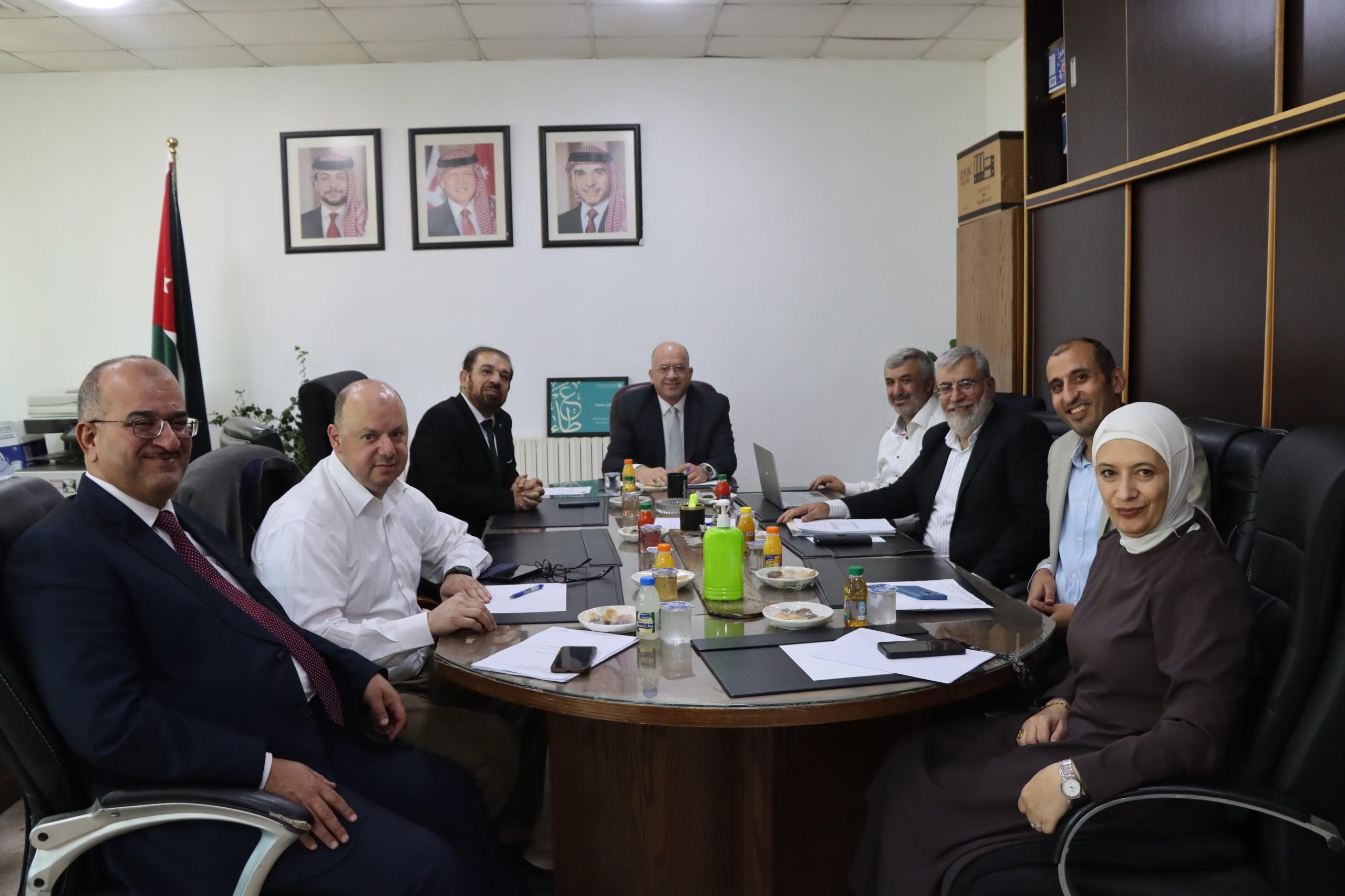
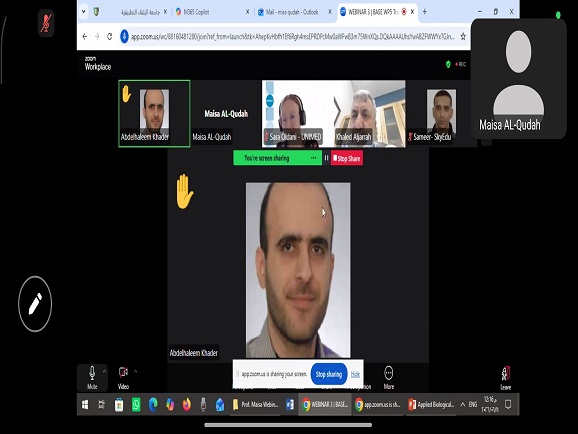
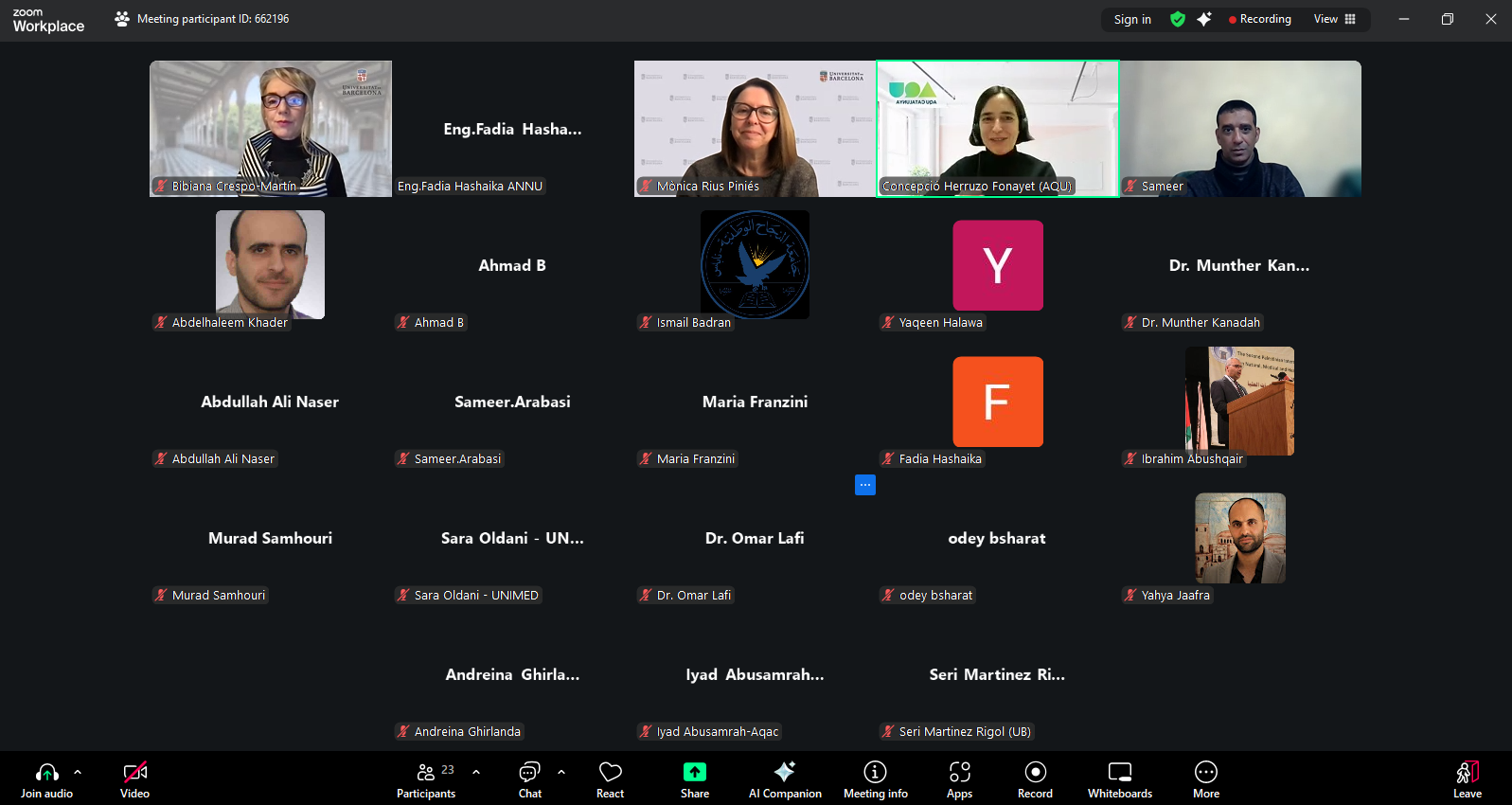
The Rome programme also included the BASE Project Consortium Meeting, held in hybrid format. Partners reviewed the Coordinator’s report at Month 23 of the 36-month project, the progress of Work Package 4 and the accreditation of the newly developed programmes in Jordan and Palestine, as well as progress across the other work packages and preparations for the launch of the programmes in October 2026.
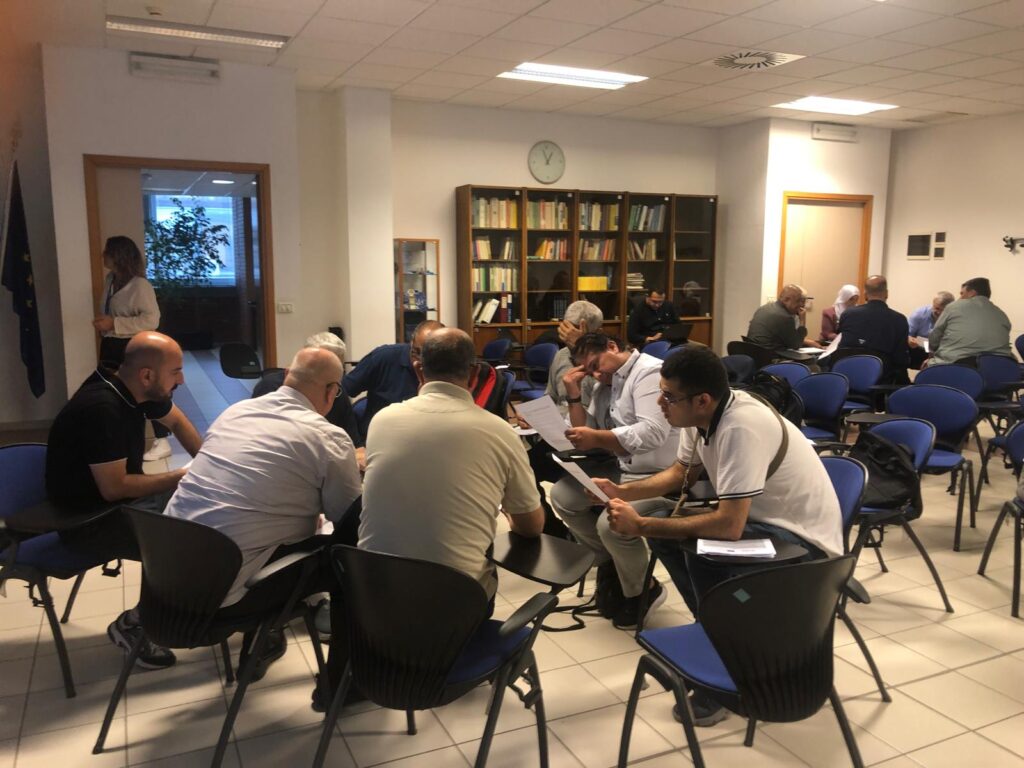
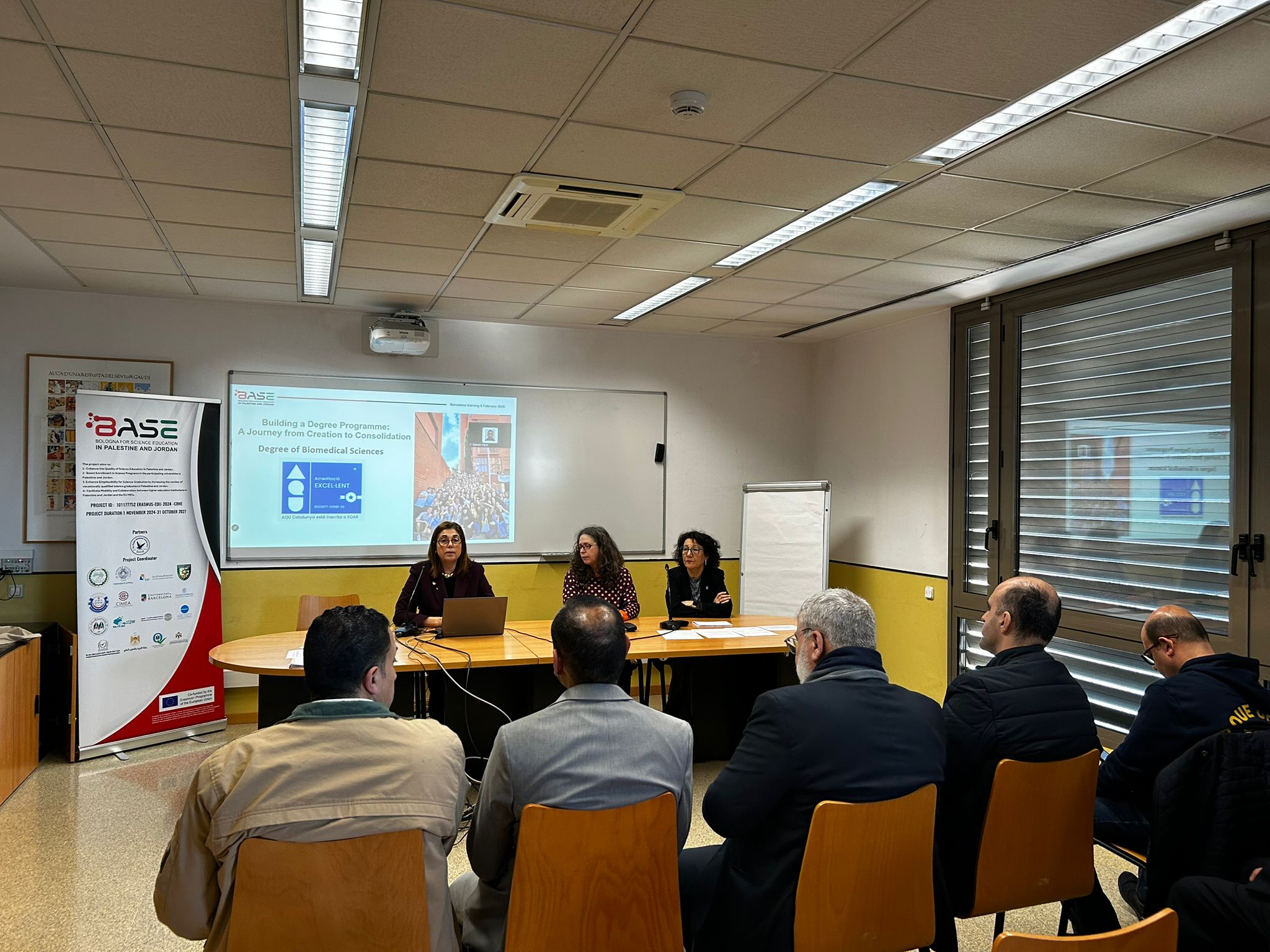
The activities continued at the University of Pisa, where participants explored the practical implementation of Bologna principles. Sessions addressed student-centred learning, quality assurance, ECTS, assessment aligned with learning outcomes, service-learning and teaching innovation. Delegations also visited relevant academic departments and participated in practical teaching activities organised by the University of Pisa’s Teaching and Learning Centre.
A dedicated session also examined the potential role of artificial intelligence in teaching, while group exercises enabled participants to work on realistic cases related to workload, ECTS and learning outcomes. The training concluded with a strong focus on implementation: partners were encouraged to deliver the newly developed programmes as designed, share the training outcomes with colleagues at their home institutions, and document their first-semester experience for inclusion in the BASE Bologna Process Manual.
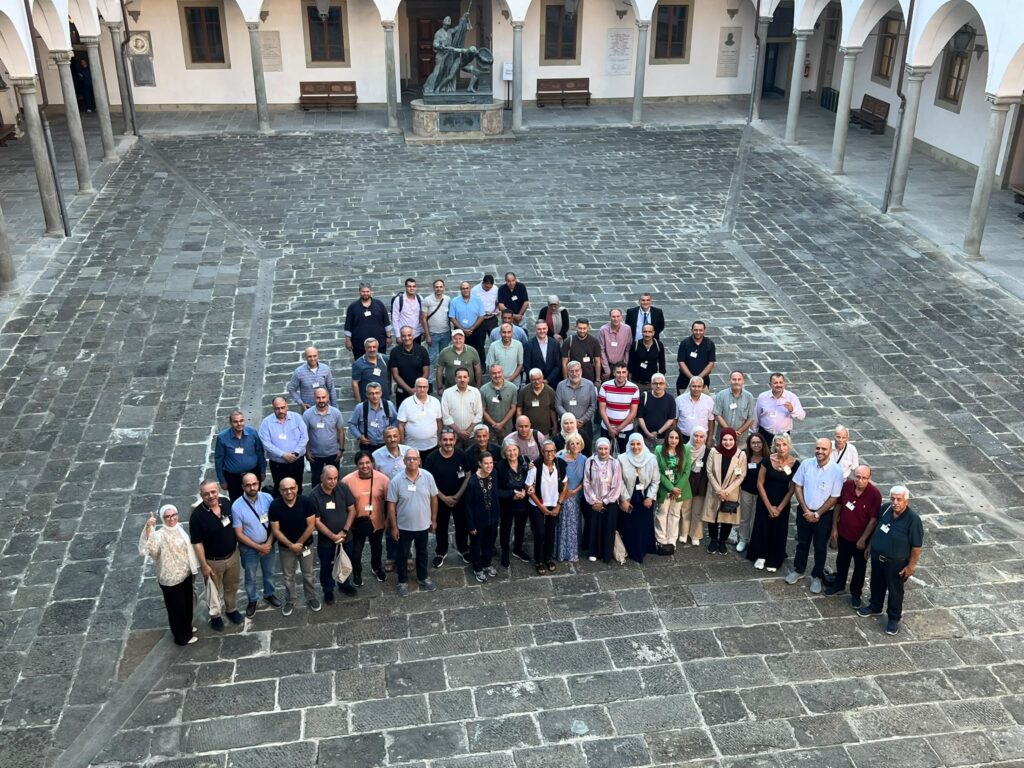
The five-day programme provided practical preparation for the staff who will teach the seven new BASE science bachelor programmes, with the first students expected to begin their studies in October 2026. A total of 59 delegates from Jordan and Palestine were registered for the Pisa activities, alongside European trainers and partner representatives.
The Staff Training Week therefore marked an important transition for BASE—from programme design and accreditation towards actual implementation and classroom practice, strengthening the capacity of participating institutions to deliver Bologna-aligned science education in Jordan and Palestine.